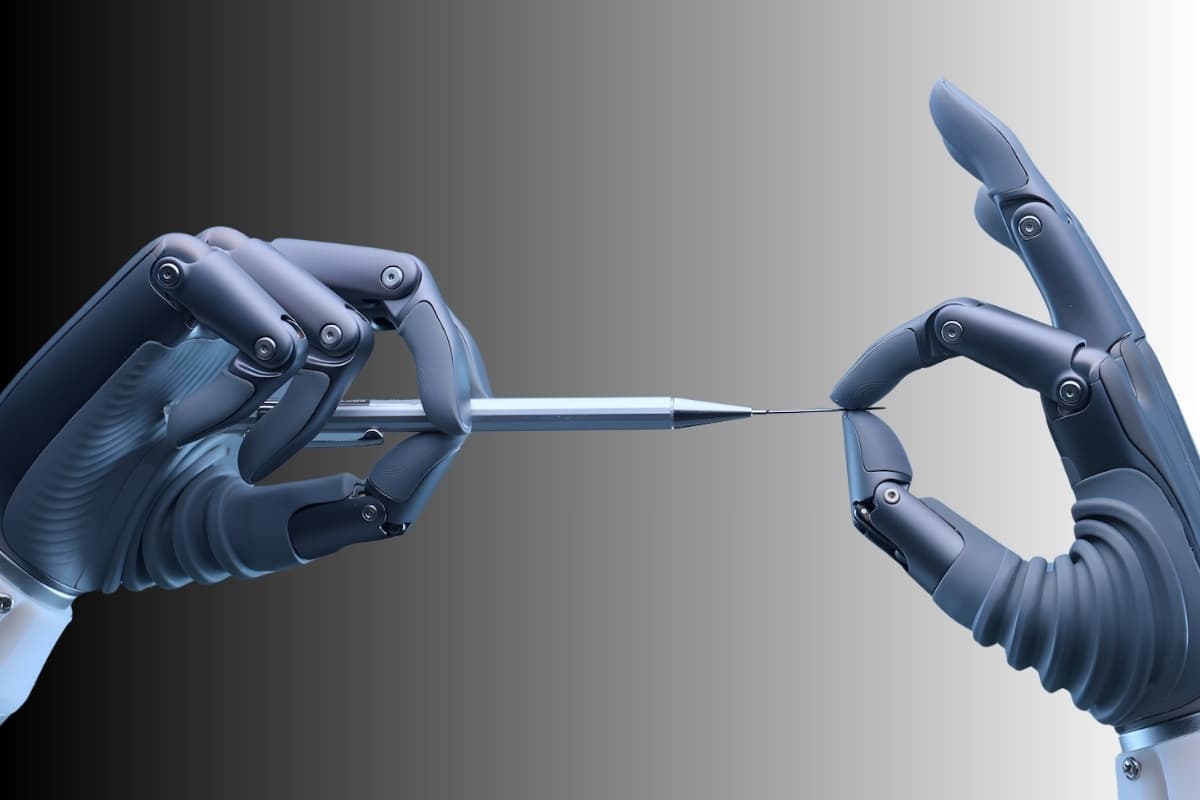
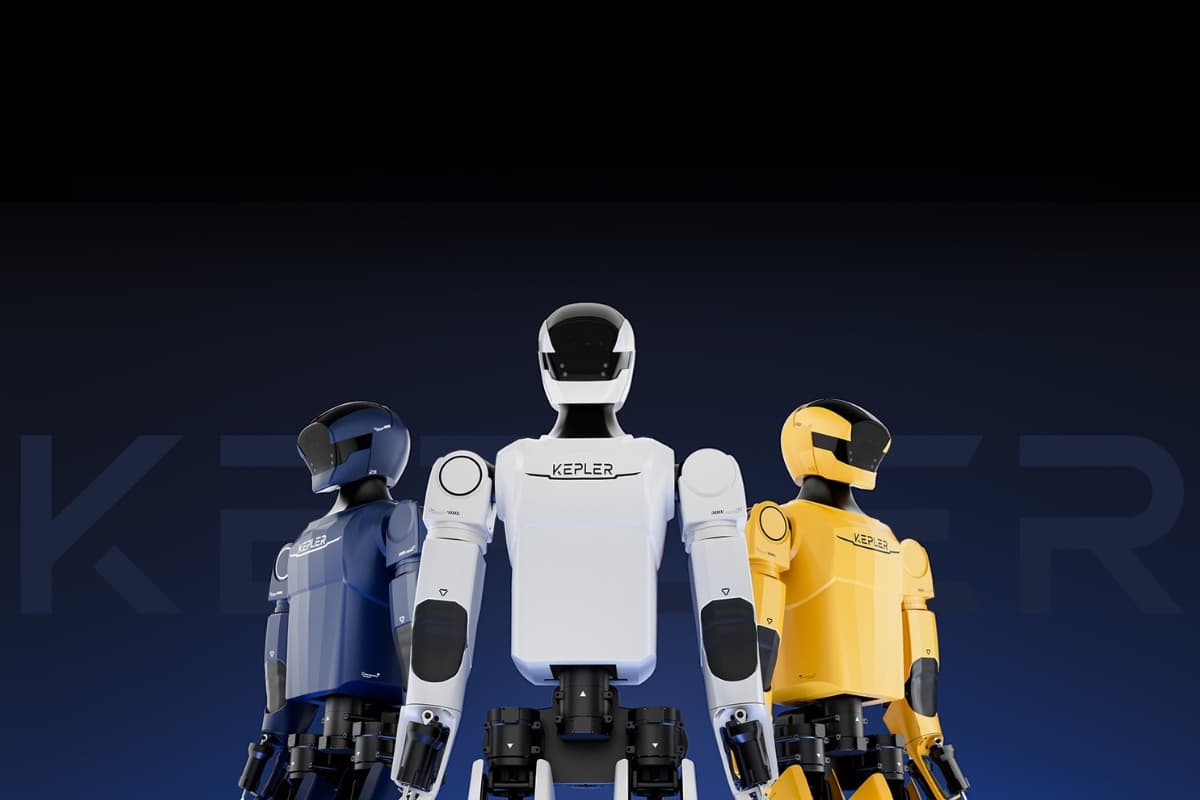
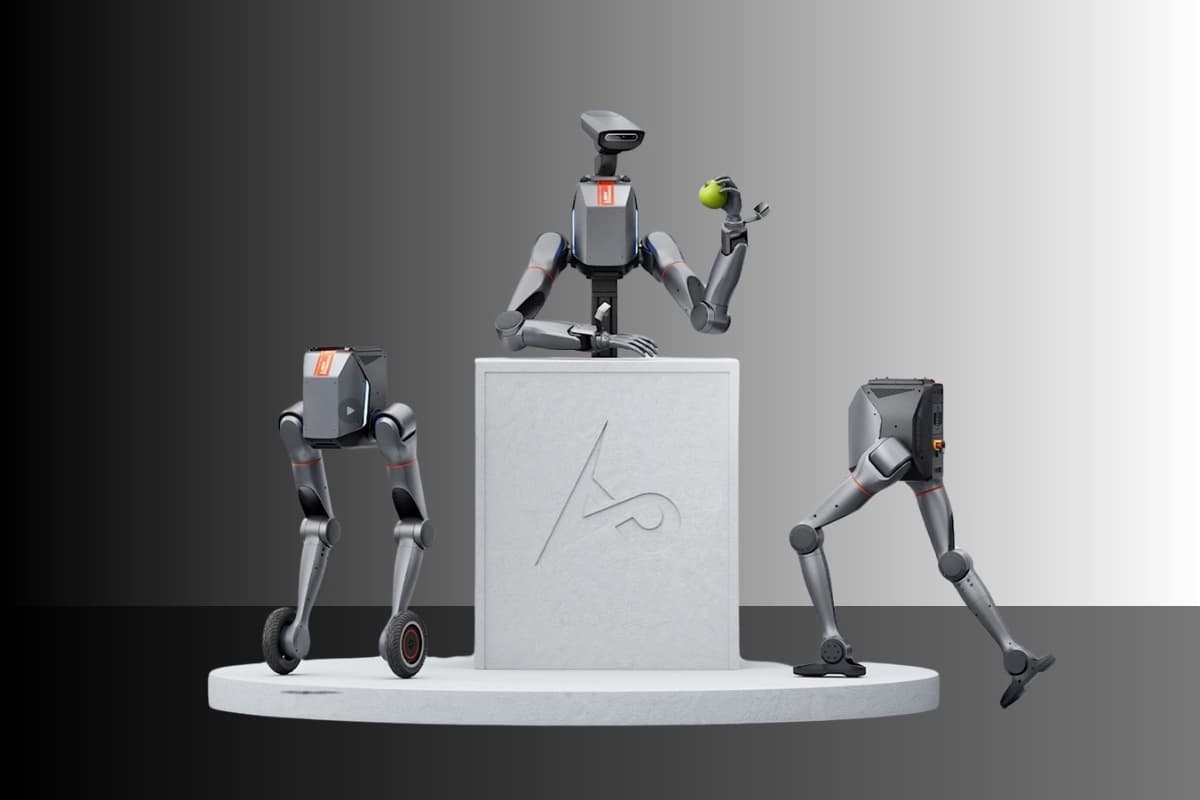
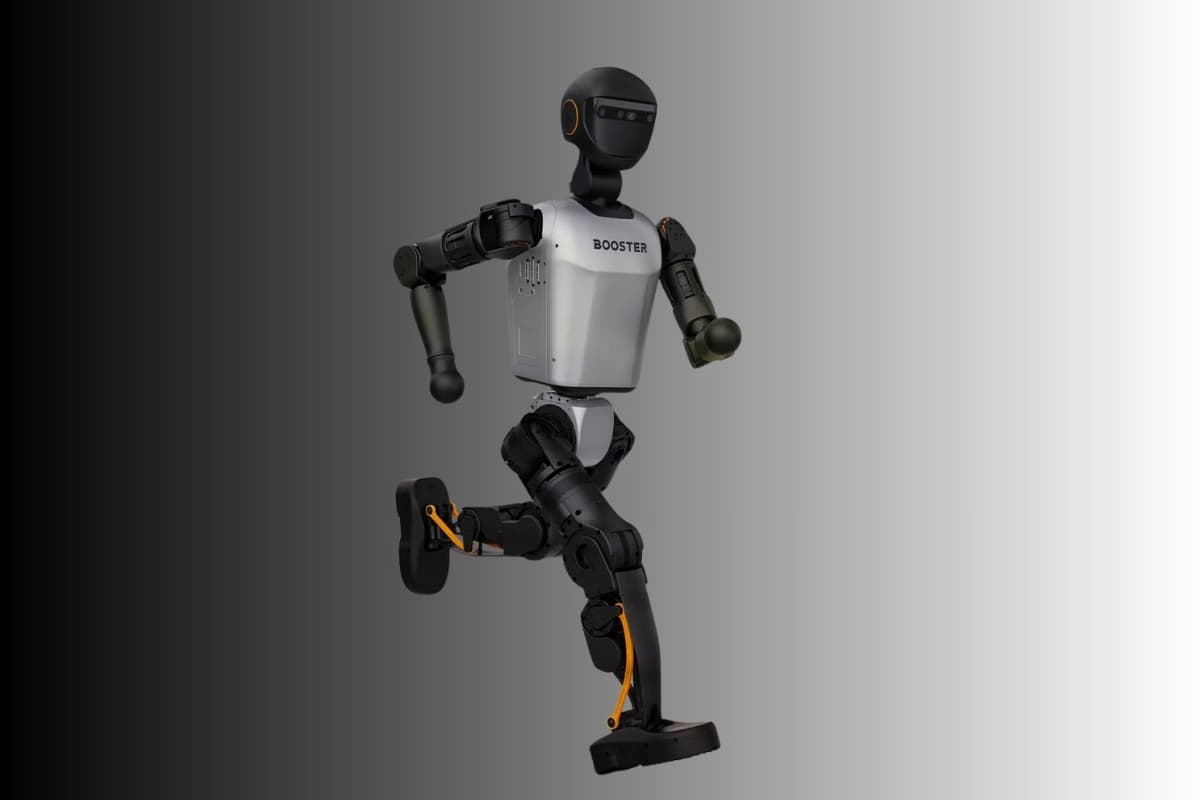
China’s rapid rise in humanoid robotics was a recurring theme at the first Humanoids Summit in London — from Kingston University showcasing UniTree Robots, to Booster Robotics' agile bots kicking a ball with guests, to our own TRON 1 demo at the EnduX stand, and CEO Aska Liu’s breakout session on Humanoids in China: Emerging Leaders, Global Ambitions, and Opportunities for Europe. The key question on everyone's mind: where should Europe place itself in the global humanoid robotics race?
To those familiar with the sector, China’s head start won’t be news. With an estimated 60 to 100 humanoid robotics companies already delivering market-ready products — more than anywhere else globally — China’s lead is clear. What’s striking is the range of players involved: academic labs, start-ups, consumer electronics brands, auto manufacturers, and robotic enthusiasts all contribute to a diverse ecosystem of humanoid designs and applications.
In her Summit talk, Aska Liu unpacked the core strengths powering China’s progress:
- Advanced manufacturing infrastructure
- World-class academic institutions and researchers focused on AI and robotics
- A vast talent pool with continuous supply of skilled engineers - 5 million STEM graduates every year
- Proactive government support, including multi-billion yuan provincial AI & robotics funds
- A complete spectrum of industries as a rich testbed for real-world applications
Given the macro environment, perspectives on Europe's next steps and strategic positioning were openly shared and debated across the two days of Summit events. Three key themes emerged:
1. Carve Out a Strategic Role in Humanoid Robotics Manufacturing Value Chain
In the panel Reality Check: How Close Are We to Humanoids at Scale? Rory Daniels from TechUK implied that competing with China or the US across every dimension would be impractical. Instead, European countries should focus on high-value niches where they already lead in R&D — and integrate into the global humanoid value chain from there.
At EnduX, we like Rory’s thinking - and look forward to having the ASML-equivalent(s) emerge in the European humanoids space.
2. Own the Standards and Regulatory Agenda
In The Future of Humanoid Standards, Aaron Prather of ASTM International urged Europe to lead the development of global regulation. While regulation is often seen as a drag on innovation, Aaron — and we — believe well-designed standards accelerate safe, scalable innovation and deployment.
Europe has a strong track record of setting tone globally — think GDPR, CE marking, and leadership in AI ethics policy. But regulation must be grounded in reality. At EnduX, we believe policy should be shaped by field data — what works in practice, not just in theory.
Without real-world deployment, regulation is speculative. Without regulation, deployment risks becoming reckless. Both must evolve together.
3. Lead the World in Real-World Humanoid Deployment
This, in our view, is Europe’s biggest untapped opportunity. Aska Liu laid out three reasons why Europe may be the best place in the world to deploy humanoid robots at scale:
- Acute Labour Shortages
Across construction, healthcare, agriculture and industry, structural labour shortages are putting pressure on European economies. McKinsey’s 2024 labour markets report showed that whilst the problem is not uniquely European, the challenges in Europe may be more urgent than anywhere else in the world. - Higher ROI and faster payback
While China can be the most efficient place for proof-of-concept, scaling deployment there may not always make financial sense due to lower labour cost. In contrast, Europe’s higher labour costs make robotic deployment more commercially viable, offering better ROI and faster payback. What’s not feasible to scale in Shenzhen may make perfect financial sense in Stuttgart. - Strong Infrastructure and Diverse Use Cases
Europe’s mature economies offer rich grounds for deployment — from robotic inspection and maintenance, to logistics, hospitality, healthcare, and elder care.
So What Could Europe Do Next?
It is not practical for Europe to copy the strategies or approaches of the US or China in the humanoid race. It could however:
- Take advantage of the technology advancement to resolve its own challenges, such as demographic change, labour gaps, and cost pressures.
- Leverage and enhance existing strengths in AI and enterprise software to lead integration of robotic technologies.
- Set global standards informed by real-world deployment.
By doing so, Europe has the opportunity to not just stay in the game, but to shape it, through smart deployment, thoughtful regulation, and sustainable value creation. And perhaps most importantly, by addressing the region’s challenges, Europe can show the world how humanoid robots can serve people and the economy.