Buying a humanoid robot today is as exciting as it is daunting given the speed of technological advances and new models entering the market. Whether you are just exploring the idea, jumping into your first humanoid purchase or investing in your fifth bot, the options can be overwhelming. To help you navigate the decision, we’ve compiled the key purchase factors to consider — from technical specs and ROI to ethics, safety, and future-proofing.
Top 5 Technical and Functional Considerations
Before comparing models, define your technical and functional requirements. Your use case will determine which humanoid robots fit your needs and budget.
1. Intended Use Case and Form Factor
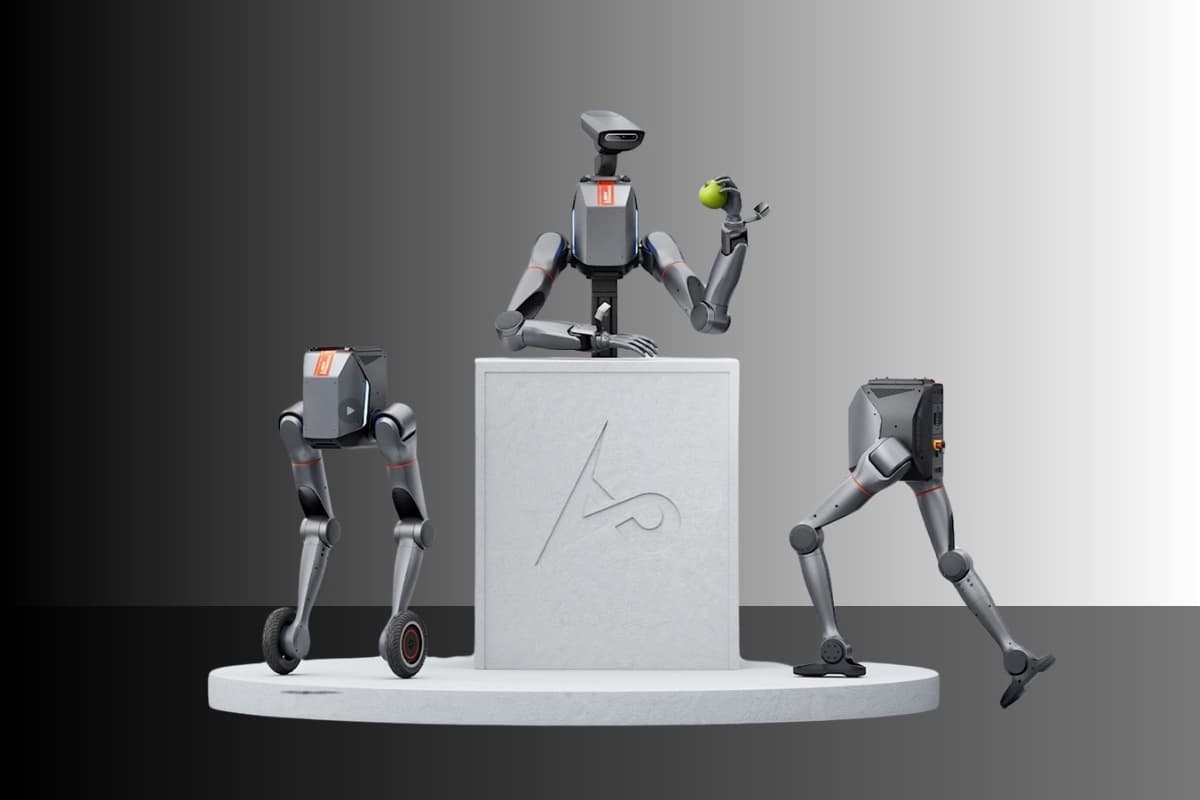
Are you buying a humanoid robot for research, education, industrial use, customer service, or personal/home use? Do you need a full size humanoid, or would a biped or quadruped robot be better for you? Will it operate indoors, outdoors, or both?
Although some quadrupeds can operate outside and a few niche manufacturers are piloting humanoids for outdoor use cases, most humanoid robots are designed for indoor environments only. Your use case determines not only hardware specs but also durability, weatherproofing, and sensor needs.
Key takeaway: Match robot design and durability to your environment and end goal.
2. Strength, Dexterity and Mobility
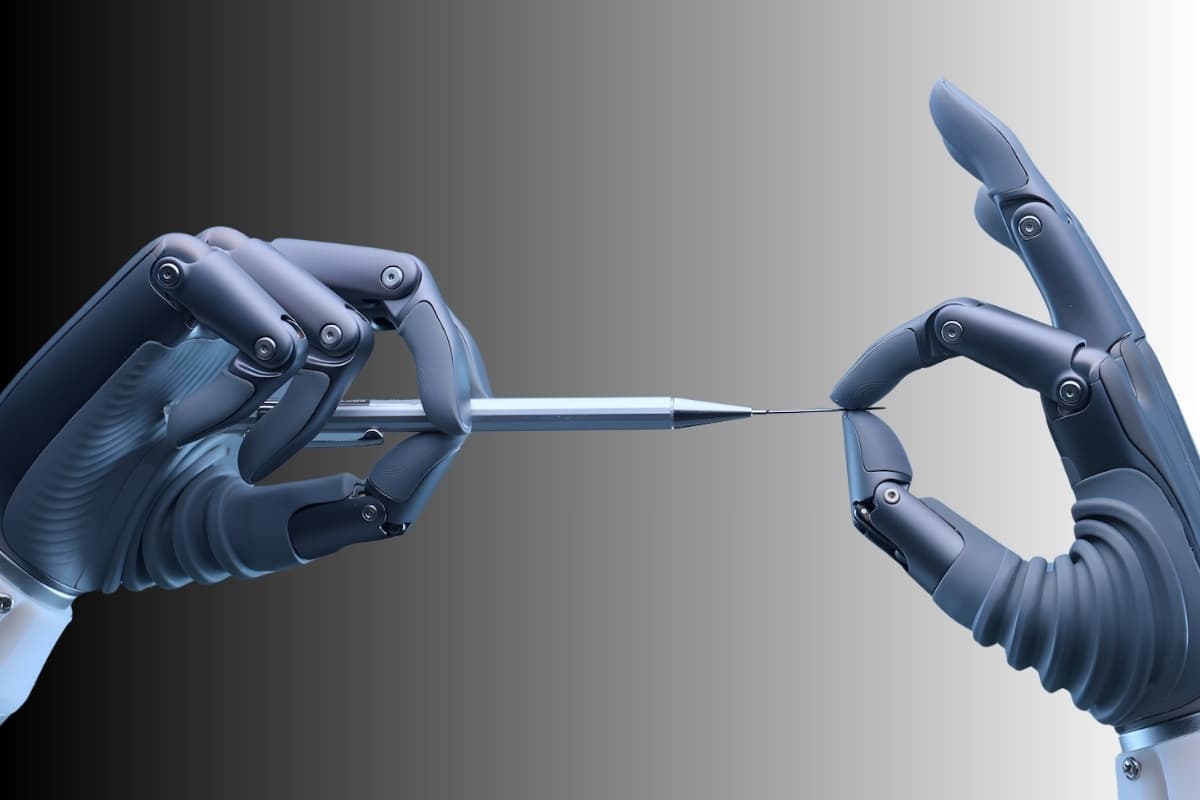
What tasks should it perform? Should it walk on uneven terrain, climb stairs, or overcome obstacles? Would it need to use hands with human-like precision and tactile perception? Would it need to lift heavy objects? Look closely at specs such as degrees of freedom, end effectors, actuator type, balance, and stability.
Key takeaway: The more complex the environment, the more critical advanced locomotion and manipulation capabilities become.
3. Autonomy vs. Teleoperation
Do you want a fully autonomous robot, a semi-autonomous one, or primarily remote control?
Some humanoids, like Galaxea R1 and Agibot G1, combine autonomy and teleoperation, offering flexibility for training and deployment.
Key takeaway: Choose autonomy level based on your risk tolerance, task complexity, and environment.
4. Software and AI Capabilities
What operating system does it run on (ROS, proprietary)? Can it integrate with generative AI for conversation, vision, and task planning? Can you upgrade its AI as technology evolves?
Flexible designs and add-on modules, such as LimX’s TRON 1 expansion kits (camera, robotic arm, voice command), provide future adaptability.
Key takeaway: Opt for open, upgradeable systems to stay aligned with rapid AI progress.
5. Battery Life and Power Requirements
How long must it operate between charges — one hour or eight? Do you prefer swappable batteries or tethered charging? Can it plug in autonomously, or will a human assist?
Key takeaway: Power logistics can determine whether your robot runs all day or spends half of it idle.
Top 5 Economic and Practical Considerations
Beyond technology, consider the financial and operational aspects that will affect total cost and usability.
1. Price and ROI
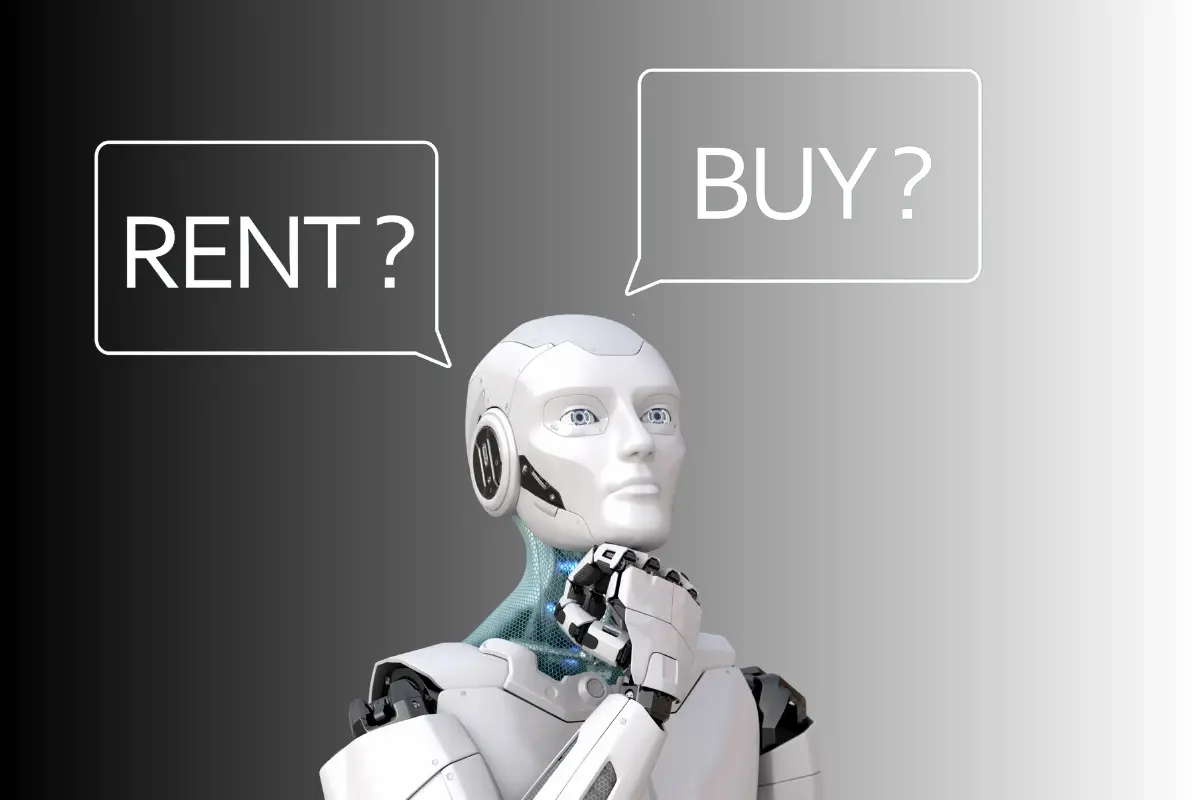
Humanoids range from $20K to $200K+, with prototypes even higher and a few affordable models coming in below that range. It is useful to always consider if the robot is meant to save money or create value, and if the costs outweigh the benefits. Even if you have a chosen model, ask yourself if you need the standard version or if you have to invest in the more expensive Education option for the added capabilities. Include in your ROI the cost of software licenses, add-on hardware, integration, and customisation costs. Renting can also be a smart option for early exploration.
2. Viability and Proof of Concept
Is there proven tech to meet your needs, or do you require a custom PoC? Humanoid proofs of concept can be costly due to engineering and ML work, so ensure you have the resources and expertise (in-house or external) before committing.
3. Durability and Safety
Humanoids lack universal standards. A research bot differs greatly from one meant for elderly care or customer interaction. Depending on the use case, you may need to prioritise safety and reliability, or weight and transportability. Capabilities such as fall detection, collision avoidance, and emergency stop functions are must-haves for any real-world use.
4. Maintenance and Repairs
As with any hardware, humanoids break down and require spare parts. Compared to industrial robots, they’re often more delicate. Verify support availability, service options, and part logistics before buying.
5. Manufacturer vs. Distributor
Should you buy directly from the manufacturer or via a local distributor? Consider language barriers, logistics, pricing, warranty, and aftercare differences.
In many cases, local distributors work with a variety of manufacturers and will be able to provide a perspective on the pros and cons of a broader range of options. They can also significantly simplify upfront admin work, import and logistics and provide better after-sales support and reduce downtime.
Top 3 Integration and Ecosystem Considerations
Evaluate how well your chosen humanoid integrates within your broader technology ecosystem.
1. Compatibility
Will it need to connect to existing systems (ERP, smart home, warehouse automation)? Are APIs and integration support available?
If you’ll need help, check whether the manufacturer or a certified partner can provide it.
2. Developer Community and SDKs
A strong developer ecosystem accelerates innovation. Companies like Unitree, Boston Dynamics, and LimX Dynamics vary in how open they are to developers.
If your use case involves custom functions or software extensions, openness is key.
3. Cloud Dependence
Does it require a constant internet connection, or can it run offline?
Cloud reliance can boost intelligence but also creates risk if servers fail or connectivity drops.
Top 3 Ethical, Legal, and Social Factors
Humanoids introduce new social, ethical, and regulatory dimensions that every buyer should address.
1. Regulatory Compliance
While humanoid-specific laws are limited, existing workplace safety, liability, and insurance regulations still apply. Ensure your model and operations comply with relevant frameworks.
2. Human Interaction Design
If your humanoid will interact with people, design matters. Approachability—from face design to tone—can make or break user acceptance.
Friendly or “cute” designs tend to succeed better than faceless or overly mechanical ones.
3. Data Privacy
Robots equipped with cameras and microphones collect data continuously. Understand where it’s stored, who owns it, and how it’s processed.
If your humanoid operates near others, clarify how it impacts their privacy and data rights.
Top 3 Future-Proofing Considerations
With technology evolving fast, protect your investment by planning ahead.
1. Upgrade Path
Can you swap modules like sensors, CPUs, or hands, or are you locked into today’s version?
Upgradable architecture ensures your robot can evolve as the tech matures.
2. Company Stability
The humanoid industry is young; not all startups will survive. A warranty from a defunct company means nothing. Assess financial health, investors, and long-term partnerships before buying.
3. Secondary Market
What happens when you’re “done” with your humanoid? Does it have resale value, a buy-back program, or recycling options? Otherwise, it might become an expensive paperweight when Gen 2 launches.
Final Thoughts
Humanoids are expensive, complex, and still maturing. If you’re not careful, you could end up with an impressive but useless piece of tech. Whether you’re a research lab, early adopter, or innovation-focused business, evaluate options holistically and compare insights across manufacturers and distributors before deciding.
At EnduX, we’re always happy to discuss use cases, share perspectives, and help you choose the right path forward. Get in touch to explore how humanoids can enhance your operations — and your future.